Introduction to Laparoscopic Hysterectomy
Laparoscopic hysterectomy is a common surgery for women. Many people want to know if it is safe and effective. In recent years, more women in the US and UK choose this minimally invasive option. This blog explains what you need to know about laparoscopic hysterectomy safety, effectiveness, and recovery.
What Is Laparoscopic Hysterectomy?
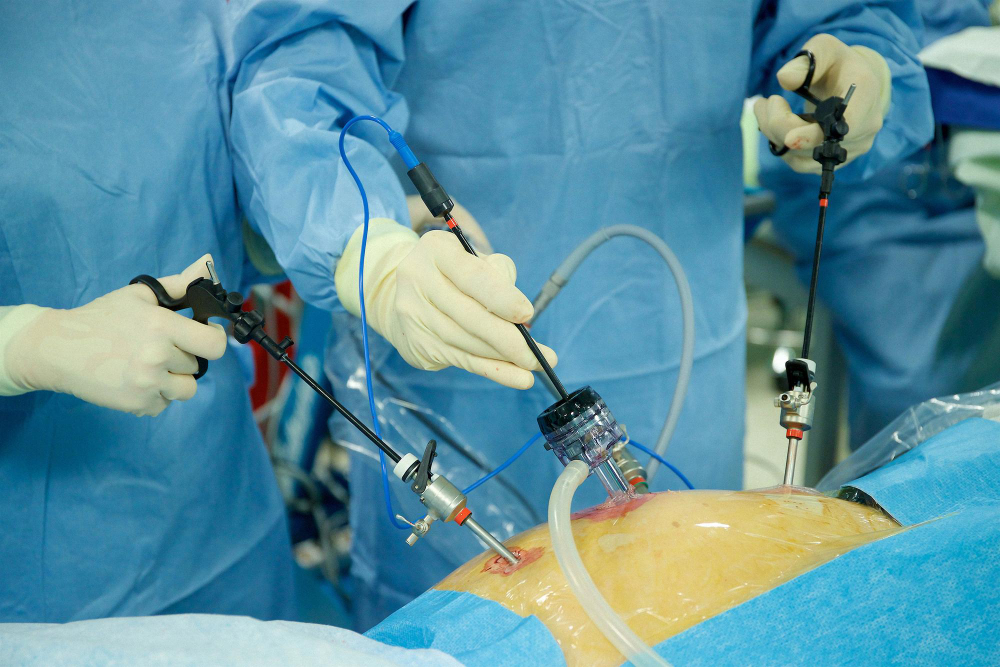
A laparoscopic hysterectomy is a surgery to remove the uterus using small cuts in the belly. Doctors use a thin tube with a camera, called a laparoscope, to see inside. Because the cuts are small, this surgery is called minimally invasive. Compared to open surgery, it usually causes less pain and helps you heal faster.
Safety of Laparoscopic Hysterectomy
Many studies show that laparoscopic hysterectomy is safe for most women. According to the American College of Obstetricians and Gynecologists, the risk of serious problems is low. In fact, fewer infections and less blood loss happen with this method than with open surgery. However, as with any surgery, there are some risks. Your doctor will check your health to make sure this option is safe for you.
Effectiveness and Benefits
Laparoscopic hysterectomy is very effective for treating many conditions, such as heavy periods, fibroids, and some cancers. Most women have good results and feel better after recovery. Here are some key benefits:
Recent research in medical journals shows high success rates and patient satisfaction. For example, a study in the Journal of Minimally Invasive Gynecology found that over 90% of patients had positive outcomes.
Risks and Possible Complications
Although laparoscopic hysterectomy is safe, some risks exist. It is important to know about possible complications, such as:
Most problems are rare and can be treated quickly. Your doctor will talk with you about your personal risks before surgery.
Recovery and Aftercare
Recovery from laparoscopic hysterectomy is usually faster than from open surgery. Most women go home the same day or after one night in the hospital. Here are some helpful hysterectomy recovery tips:
Most women feel better in two to four weeks. However, everyone heals at their own pace. If you have pain, fever, or heavy bleeding, contact your doctor right away.
Who Is a Good Candidate?
Not every woman is a good candidate for laparoscopic hysterectomy. This surgery works best for women who:
Your doctor will review your medical history and talk with you about the best option. Sometimes, open surgery may be safer for certain women.
Frequently Asked Questions
Conclusion and Next Steps
Laparoscopic hysterectomy is a safe and effective choice for many women. It offers less pain, faster recovery, and smaller scars compared to open surgery. However, every woman is different. Therefore, it is important to talk with a qualified gynecologist about your options. Consult Dr Surbhi Kumari to discuss if laparoscopic hysterectomy is right for you.