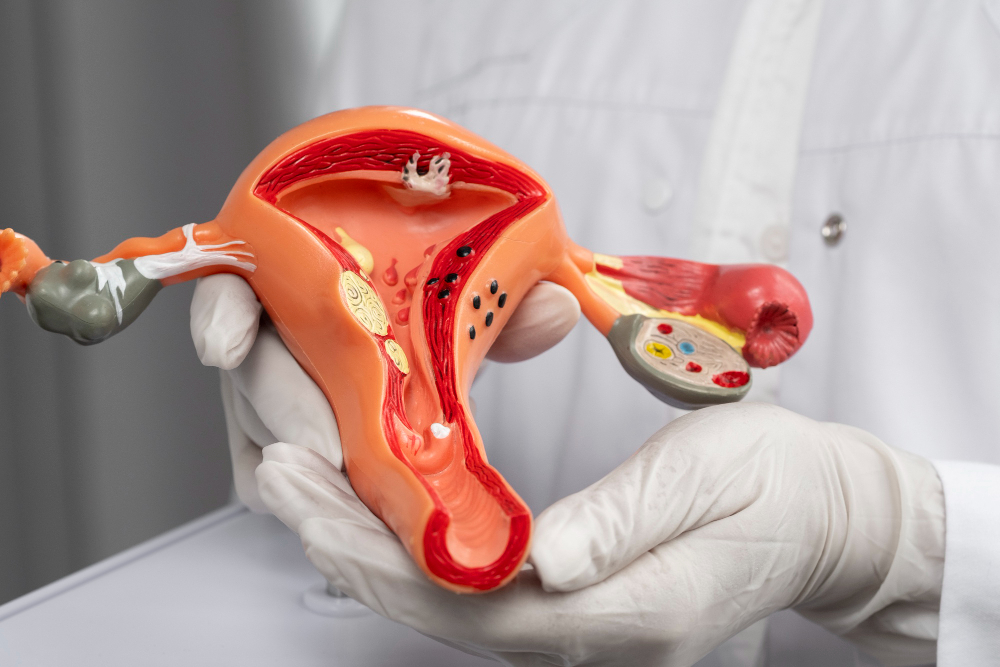
Introduction to Uterine Fibroids and Ovarian Cysts
Many women experience uterine fibroids or ovarian cysts during their lives. These conditions can cause discomfort, but both are treatable. Uterine fibroids are non-cancerous growths in the uterus. Ovarian cysts are fluid-filled sacs that form on or inside the ovaries. Understanding uterine fibroids symptoms and ovarian cyst surgery options can help you make informed choices. Early detection and proper care are important for your health.
Common Symptoms of Uterine Fibroids and Ovarian Cysts
Both conditions may have similar or different symptoms. However, not every woman will notice signs. Here are common symptoms for each:
Sometimes, these conditions do not cause any symptoms. But if you notice any of these signs, you should see a doctor.
Causes and Risk Factors
Several factors can increase your risk for fibroids or cysts. For uterine fibroids, the exact cause is not clear. However, hormones like estrogen and family history play a role. Age, obesity, and starting periods early can also raise your risk. For ovarian cysts, most form during the menstrual cycle. Hormonal problems, pregnancy, and some health conditions can increase the chance of cysts. Knowing your risk helps you stay alert to changes in your body.
Diagnostic Methods
Doctors use several tests to find fibroids or cysts. First, they may ask about your symptoms and medical history. Next, a pelvic exam helps check for growths. Often, doctors use ultrasound to see inside the body. Sometimes, MRI or CT scans give more details. Blood tests can check hormone levels or rule out other problems. Early diagnosis allows for better treatment for fibroids and cysts.
Surgical Treatment Options
When symptoms are severe or do not improve, surgery may be needed. There are several surgical options for both conditions:
Your doctor will suggest the best ovarian cyst surgery options or fibroid treatments based on your needs.
Recovery and Aftercare
After surgery, recovery time depends on the type of procedure. For minor surgeries like laparoscopy, you may go home the same day. For major surgeries, you may need a few days in the hospital. Most women can return to normal activities within a few weeks. However, it is important to follow your doctor’s advice. Take all medicines as prescribed. Avoid heavy lifting and get plenty of rest. Regular follow-up visits help ensure proper healing.
Prevention Tips and Lifestyle Guidance
While you cannot always prevent fibroids or cysts, healthy habits can lower your risk. Here are some tips:
Early action and healthy choices can make a big difference.
Conclusion
In summary, uterine fibroids and ovarian cysts are common but treatable. Knowing the symptoms, causes, and treatment options helps you take charge of your health. If you have concerns or notice symptoms, consult Dr. Surbhi Kumari for personalized advice on uterine fibroids or ovarian cysts.