Introduction
IVF, or in vitro fertilization, is a common fertility treatment. Many couples turn to IVF when they have trouble getting pregnant. IVF explained simply means understanding each step, from the first consultation to a positive pregnancy test. This blog will guide you through the IVF journey, answer common questions, and offer helpful tips. If you are considering IVF or want to know more about fertility treatments, you are in the right place.
What is IVF?
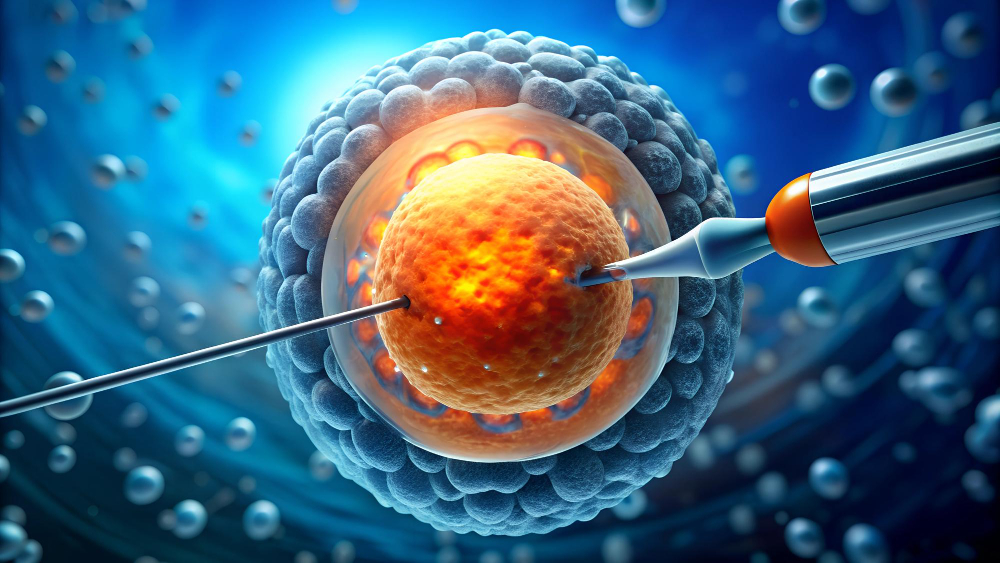
IVF stands for in vitro fertilization. It is a process where eggs and sperm are combined outside the body in a lab. After fertilization, doctors place the embryo into the woman’s uterus. IVF helps people who have trouble conceiving naturally. According to the CDC, IVF is one of the most effective fertility treatments available today.
Who Should Consider IVF?
Not everyone needs IVF. However, some people may benefit from this treatment. You might consider IVF if:
For many, IVF offers hope when other options have not worked.
The Initial Consultation: What to Expect
First, you will meet with a fertility specialist. During this consultation, the doctor will ask about your medical history and past treatments. They may also discuss your lifestyle and any health concerns. Next, you and your partner may need some basic tests. These tests help the doctor understand your fertility challenges. After reviewing the results, the doctor will explain your options and answer your questions. This is a great time to ask about the IVF process, costs, and success rates.
IVF Preparation and Testing
Before starting IVF, you may need several tests. These tests help ensure the best chance of success. Common tests include:
Once testing is complete, your doctor will create a treatment plan. This plan is tailored to your needs. You may also receive advice on diet, exercise, and lifestyle changes to improve fertility.
The IVF Procedure: Step-by-Step
IVF involves several steps. Here is a simple breakdown:
Each step is important. Your doctor will guide you through the process and answer any questions you may have.
Success Rates and Factors Affecting IVF
IVF success rates depend on many factors. According to the CDC, the average success rate for women under 35 is about 40% per cycle. However, success rates drop with age. Other factors include:
While IVF offers hope, it may take more than one cycle to achieve pregnancy. Your doctor can help you understand your personal chances of success.
Emotional and Lifestyle Guidance During IVF
IVF can be stressful. But there are ways to cope. Here are some tips:
Remember, emotional support is just as important as medical care during your IVF journey.
Common Myths and FAQs About IVF
Many myths surround IVF. Let’s clear up some common questions:
If you have more questions, ask your fertility specialist. They can provide clear, honest answers.
Prevention and Healthy Practices for Fertility
While not all infertility can be prevented, some healthy habits may help. Consider these tips:
Early medical advice can also help identify and treat fertility issues sooner.
Conclusion
IVF explained means understanding each step, from consultation to pregnancy. The journey can be emotional, but support and guidance are available. If you are thinking about IVF or have questions, consult a fertility specialist Dr. Surbhi kumari for personalized guidance on your IVF journey.