What Is Urinary Incontinence in Women?
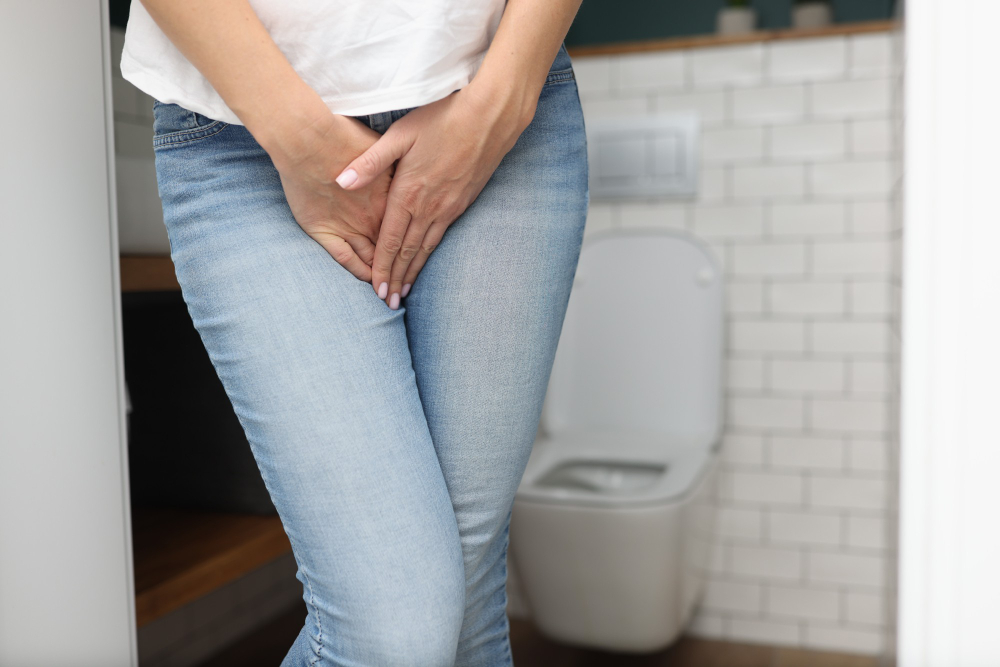
Urinary incontinence in women means losing control over your bladder. This can lead to leaks or accidents. Many women experience this problem at some point. Although it can feel embarrassing, it is very common. In fact, millions of women around the world deal with bladder leakage. Urinary incontinence in women can affect daily life, but help is available. Understanding the causes and treatments can make a big difference.
Common Causes of Urinary Incontinence in Women
There are several reasons why women may have bladder leakage. Some causes are temporary, while others are long-term. Knowing the cause can help guide treatment. Here are some common reasons:
Additionally, conditions like diabetes or nerve problems can also play a role. According to the CDC, about half of older women report some bladder leakage.
Symptoms to Watch For
Urinary incontinence in women can show up in different ways. For example, some women may leak a few drops when they laugh or sneeze. Others may feel a sudden, strong urge to go and cannot make it to the bathroom in time. Key symptoms include:
However, symptoms can vary from person to person. If you notice any of these signs, it is important to talk to your doctor.
Diagnosis: How Is Urinary Incontinence Identified?
Doctors use several steps to diagnose urinary incontinence in women. First, they will ask about your symptoms and medical history. Next, they may do a physical exam. Sometimes, your doctor may ask you to keep a bladder diary. This helps track when leaks happen. In some cases, tests like urine analysis or bladder scans are needed. These tests help rule out infections or other problems. Early diagnosis can lead to better treatment results.
Treatment Options for Urinary Incontinence in Women
Treatment for women’s urinary incontinence depends on the cause and type. Many women find relief with simple changes. However, some may need medical help. Here are common treatment options:
For many women, a mix of treatments works best. According to the World Health Organization, early treatment can improve quality of life.
Lifestyle Tips and Prevention Strategies
There are steps you can take to manage or prevent urinary incontinence. While not all cases can be prevented, these tips may help:
Furthermore, quitting smoking can help, since coughing can make leaks worse. If you notice changes in your bladder habits, seek advice early.
Conclusion
Urinary incontinence in women is common, but it can be managed. With the right care, many women find relief. Consult Dr. Surbhi Kumari for personalized advice on managing urinary incontinence.