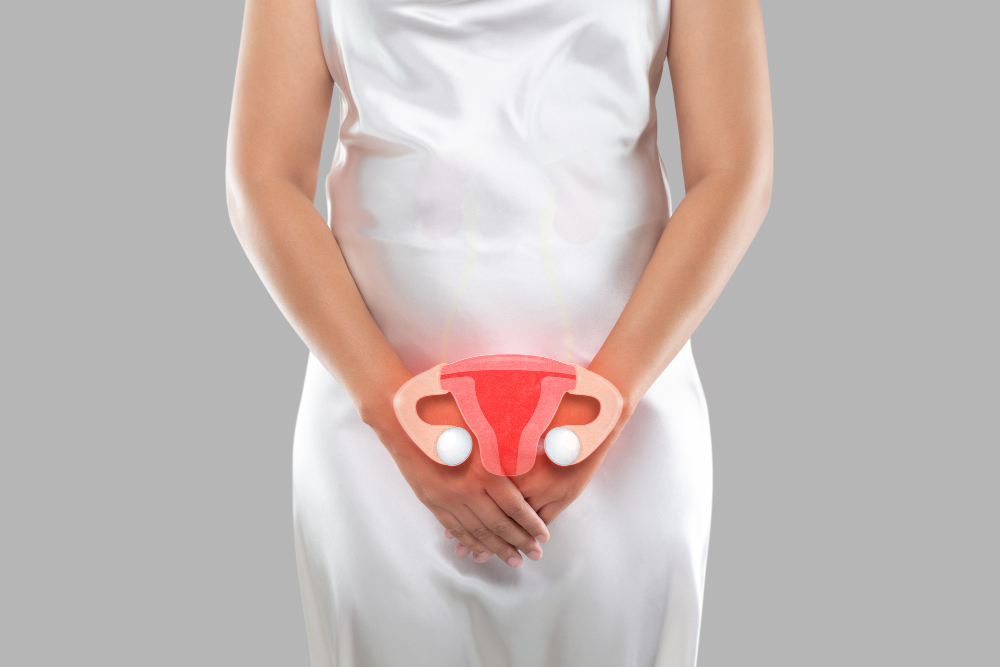
What Is Vaginal Discharge?
Vaginal discharge is a fluid that comes from the vagina. It helps keep the vagina clean and moist. In fact, this fluid removes old cells and protects against infection. Most women and girls notice some discharge every day. While it may seem strange, this is a normal part of the body’s process.
Normal Changes in Vaginal Discharge
Vaginal discharge can change throughout the month. For example, the amount and look of discharge often shift during the menstrual cycle. These changes are usually normal.
However, if you notice a sudden change, it is important to pay attention.
Warning Signs of Abnormal Discharge
Sometimes, vaginal discharge can signal a problem. For instance, changes in color, smell, or amount may be a warning sign. Watch for these symptoms:
If you notice any of these signs, you should consider seeing a doctor.
Common Causes of Abnormal Discharge
Many things can cause abnormal vaginal discharge. Often, infections are the main reason. However, other factors can play a role too.
Because causes can vary, it is important to get the right diagnosis.
Diagnosis Methods
If you have unusual vaginal discharge, a doctor can help find the cause. Usually, they will ask about your symptoms and health history. Next, they may do a gentle exam. Sometimes, a sample of the discharge is tested in a lab. This helps find out if an infection or another problem is present. In some cases, other tests may be needed.
It is best to see a doctor if you have:
Early care can help prevent more serious problems.
Treatment Options
Treatment for vaginal discharge depends on the cause. For example, yeast infections are treated with antifungal medicine. Bacterial infections need antibiotics. Some STIs also need special medicine. Your doctor will suggest the right treatment.
At home, you can:
However, do not use over-the-counter treatments unless your doctor recommends them. In some cases, medical care is needed to prevent problems.
Prevention and Lifestyle Guidance
Good habits can help keep vaginal discharge healthy. For instance, always wipe from front to back after using the toilet. This helps stop germs from spreading. Also, avoid douching, as it can upset the natural balance.
By following these tips, you can lower your risk of problems with vaginal discharge.